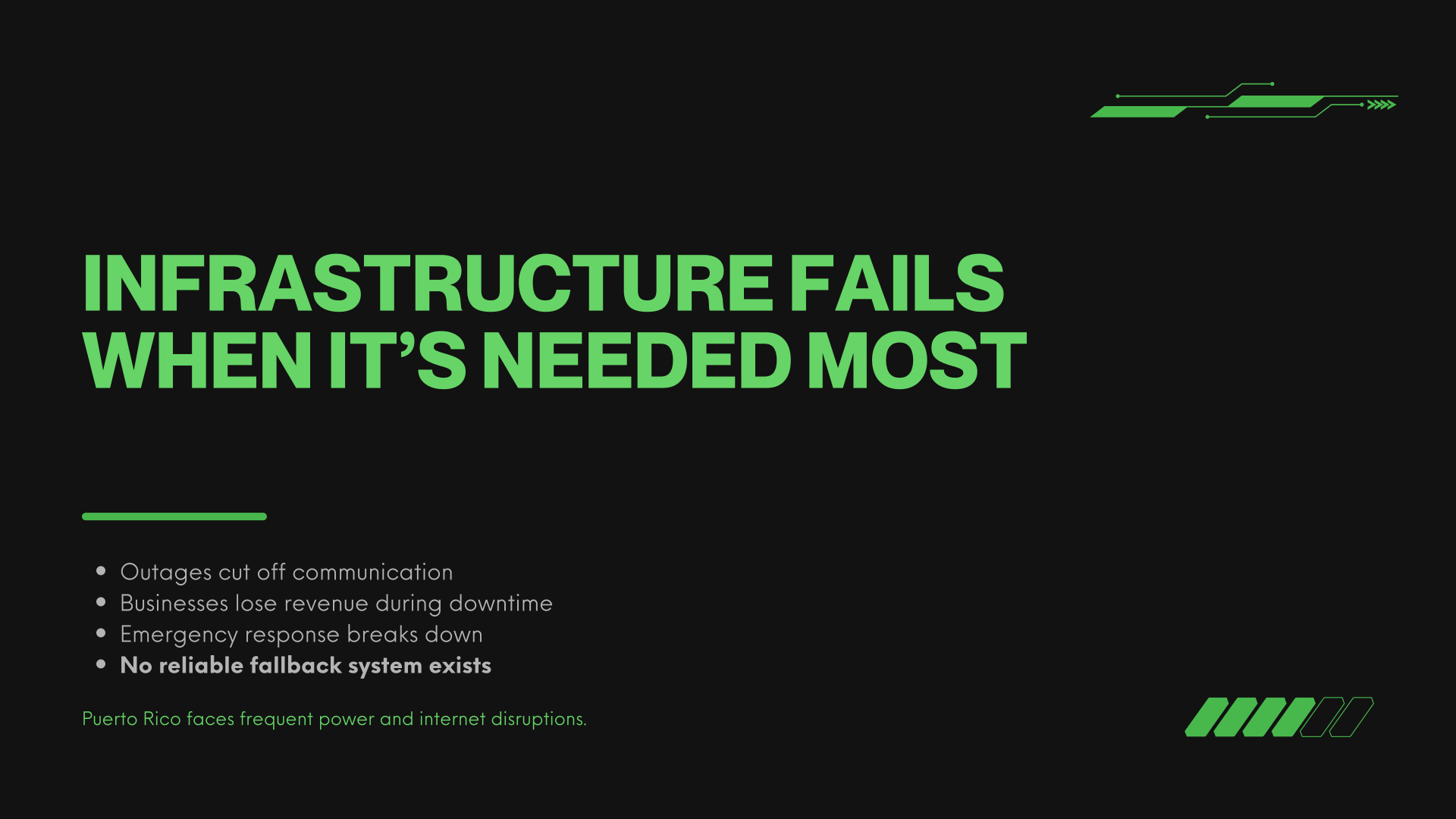
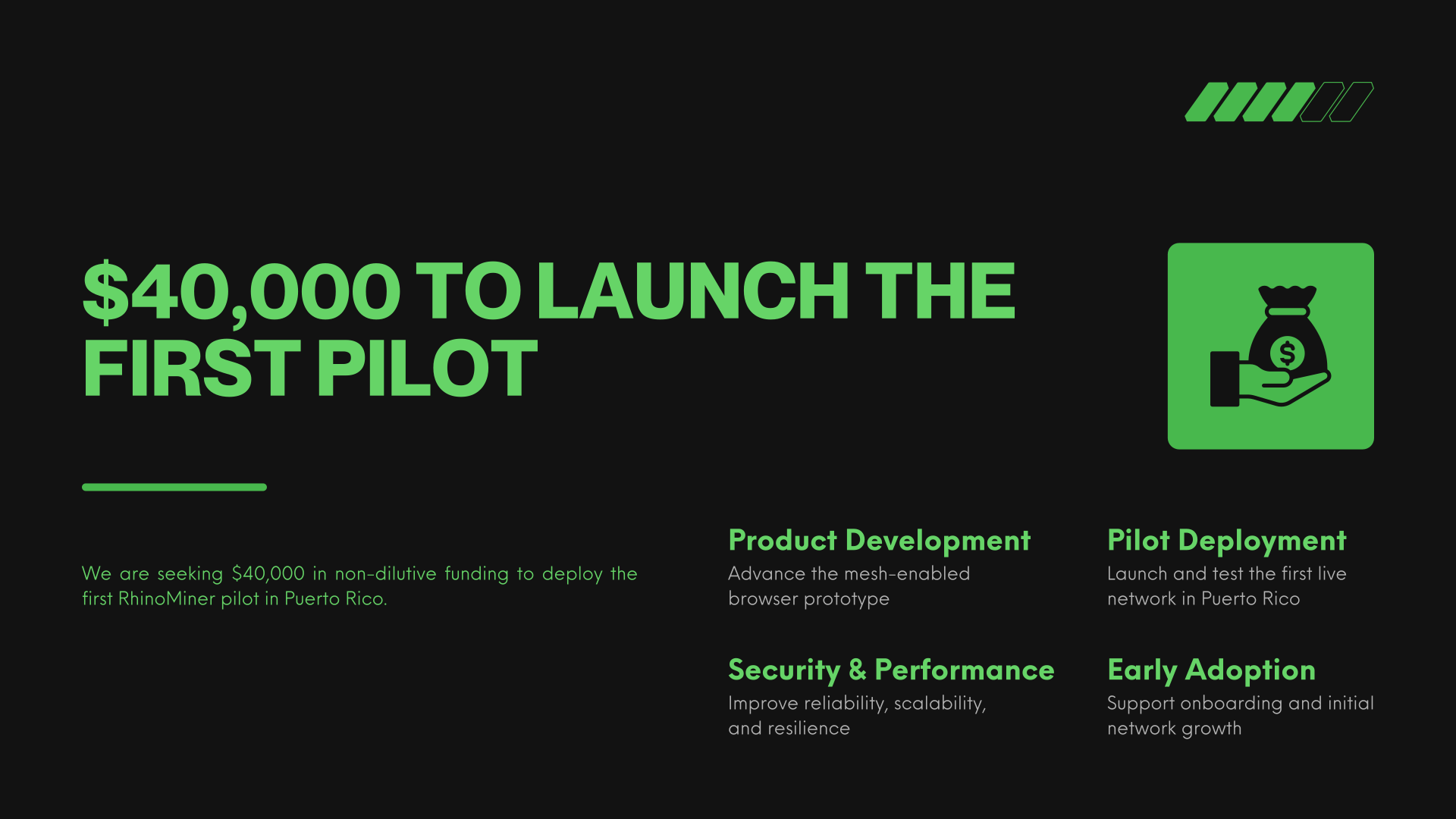
In a world that depends on constant connectivity, infrastructure failures can have serious consequences.
When internet access is disrupted, communication slows down, businesses lose momentum, and communities are left relying on systems that may not be designed to withstand real-world challenges. In regions where outages and infrastructure instability are more common, the need for resilient alternatives becomes even more important.
At RhinoMiner, we are building toward a different kind of future — one where connectivity and computing are not entirely dependent on centralized systems. Our vision is to create a decentralized network that helps strengthen resilience, unlock unused resources, and give communities a more active role in the technology they depend on.
A Bigger Vision for RhinoMiner
RhinoMiner is not just about building technology. It is about building infrastructure with practical, real-world value.
Our long-term goal is to create a network where everyday devices can do more than sit idle. Instead of relying only on traditional systems, we believe local devices can play a role in supporting stronger, more distributed infrastructure.
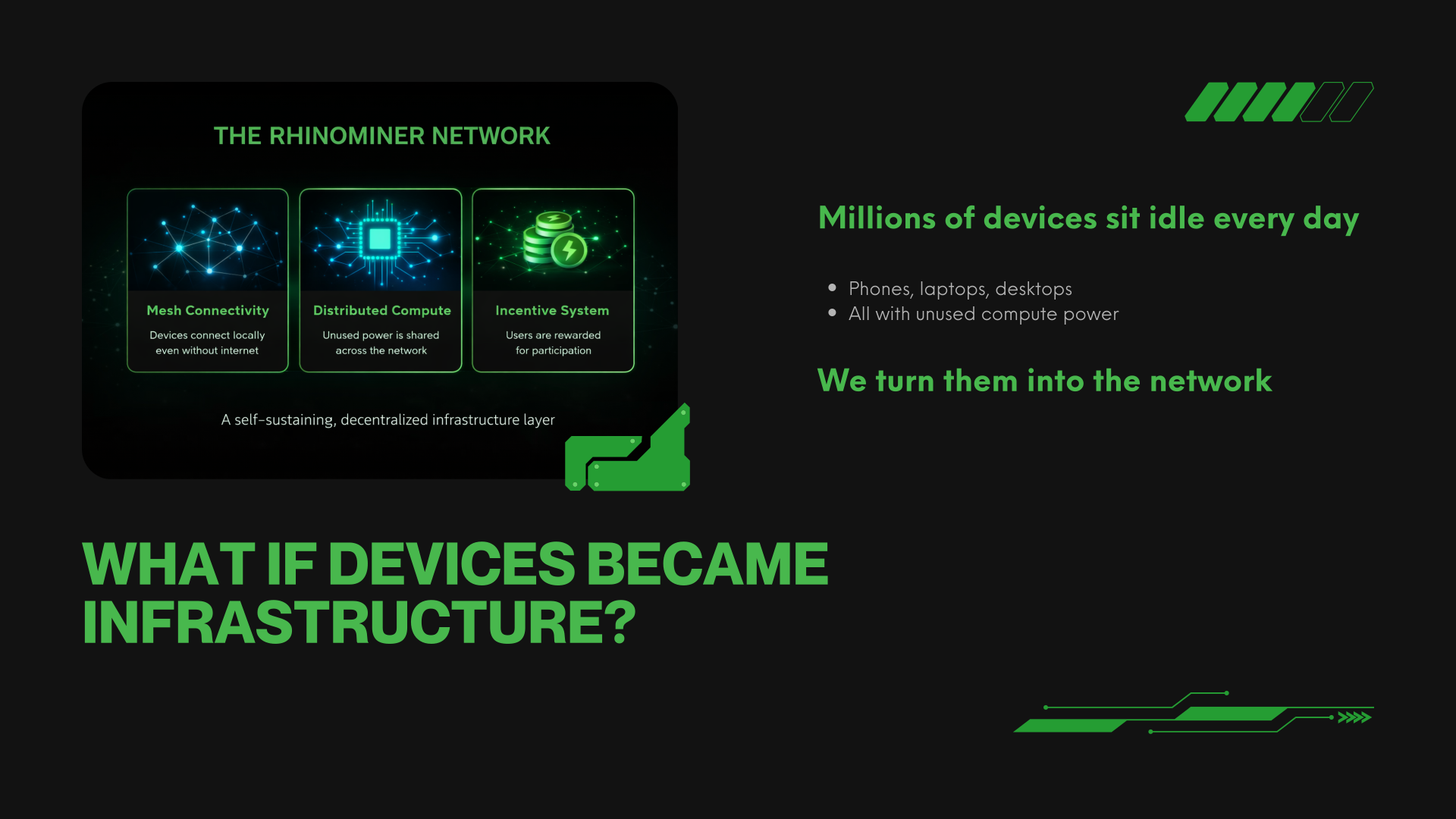
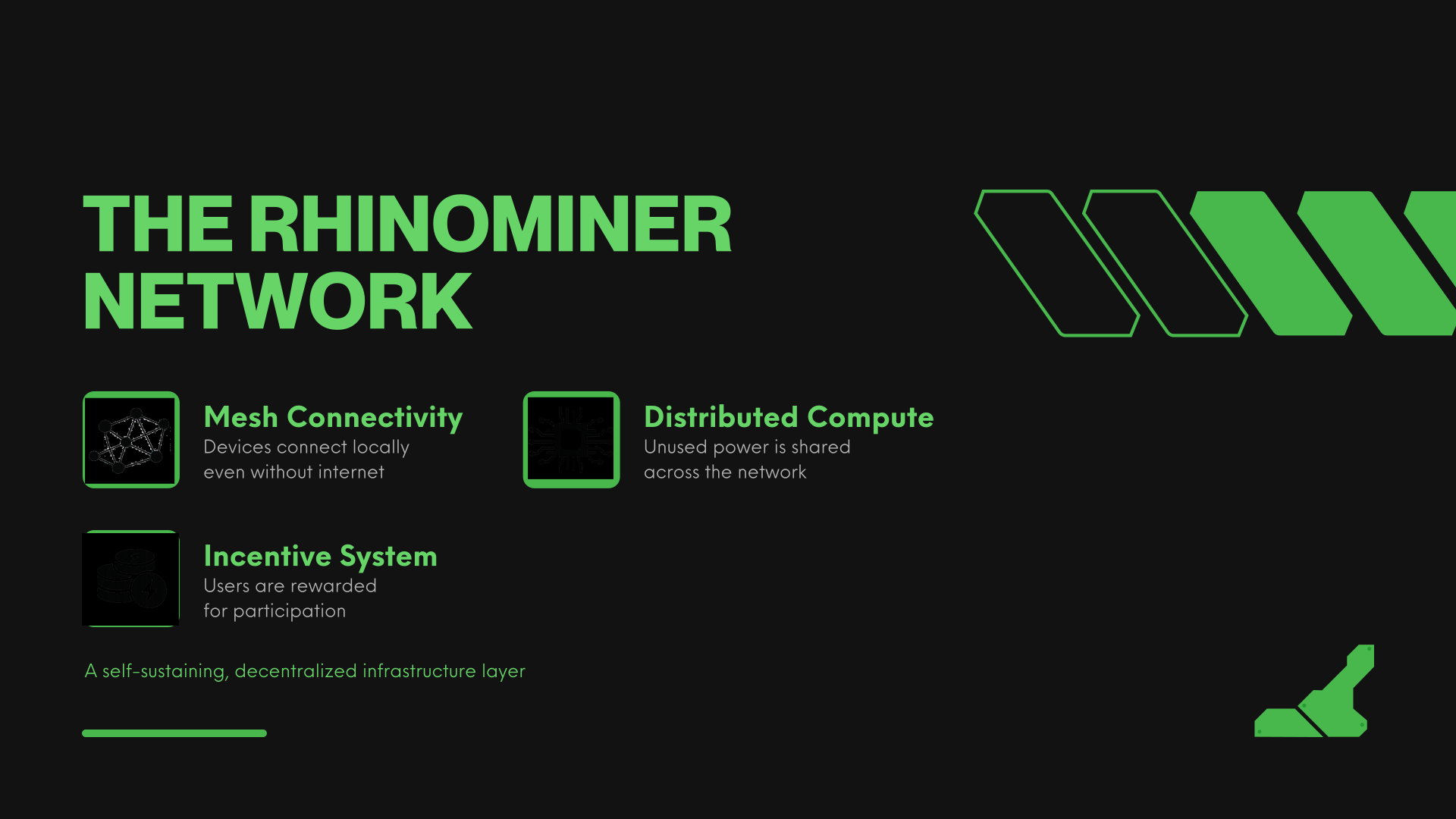
This vision is built around three core ideas:
Mesh Connectivity
Devices can connect locally and help support resilient communication pathways. In situations where traditional infrastructure is strained, local connectivity can become incredibly valuable.
Distributed Compute
A huge amount of computing power sits unused every day across phones, desktops, laptops, and other devices. RhinoMiner aims to turn that unused power into something useful by contributing it to a broader decentralized system.
Incentivized Participation
For decentralized infrastructure to grow, people need a reason to participate. By creating an incentive layer, RhinoMiner can reward users who help support the network, making the system stronger while encouraging long-term adoption.
Why This Matters
Today’s infrastructure is often centralized, and that creates a major weakness.
When a centralized service fails, entire groups of people can lose access at the same time. That creates problems not only for convenience, but for business continuity, communication, and local resilience.
A decentralized model offers a better approach.
By distributing participation across many users and many devices, RhinoMiner is designed to support systems that are more flexible, more resilient, and less dependent on a single point of failure. Instead of relying entirely on outside providers, communities can begin to play a role in strengthening the networks around them.
This is where the real value of RhinoMiner begins.
How This Benefits the Project
Expanding RhinoMiner in this direction gives the project a much stronger foundation and a much larger purpose.
It transforms RhinoMiner from a simple platform idea into something with clear long-term utility. By focusing on resilient infrastructure, distributed computing, and community participation, the project becomes far more relevant to real-world needs.
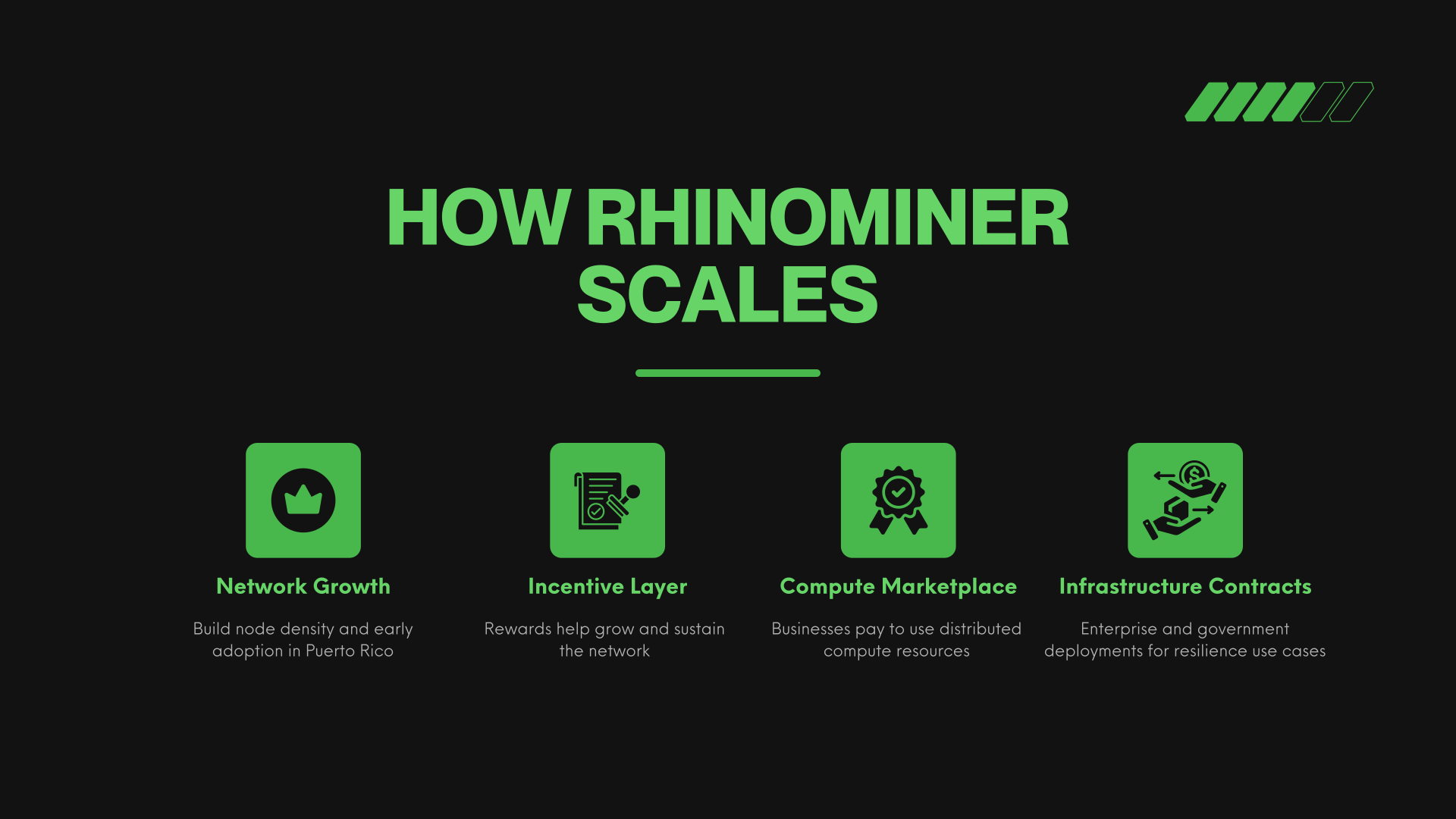
This direction also opens the door to meaningful opportunities, including:
- pilot deployments in real communities
- partnerships with organizations focused on infrastructure and resilience
- future enterprise and public-sector applications
- a broader ecosystem built around decentralized connectivity and compute
In short, it positions RhinoMiner for growth in a way that is tied to actual value, not hype.
How This Benefits Communities
The community impact is one of the most important parts of this vision.
A decentralized infrastructure model can create practical benefits by helping communities:
- strengthen resilience during outages
- support local participation in network growth
- make use of otherwise idle resources
- build systems that are not fully dependent on centralized providers
This approach gives people an opportunity to become more than passive users of technology. They can become active participants in systems that directly benefit the places where they live and work.
That is a powerful shift.
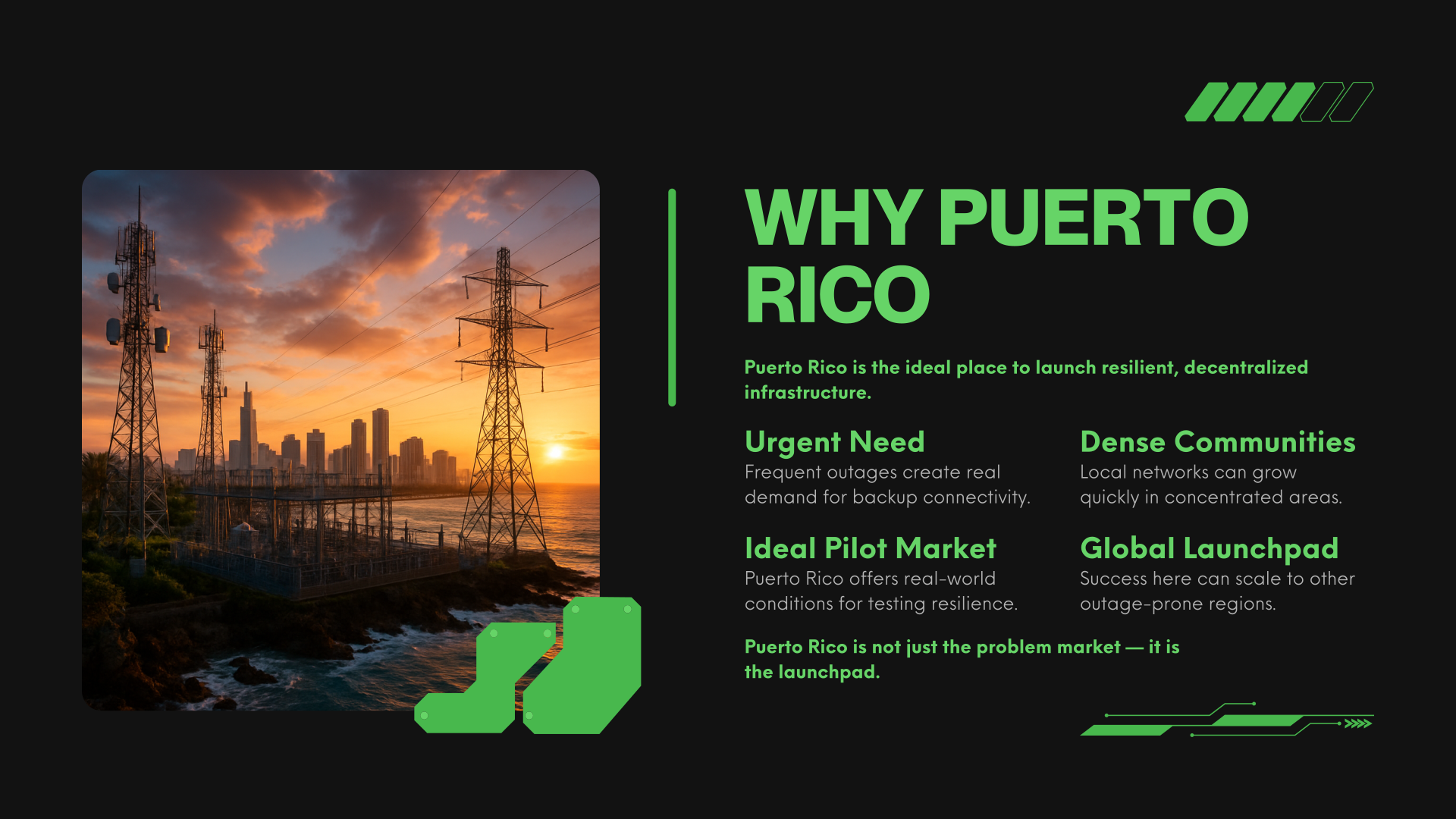
Why Puerto Rico Is an Ideal Starting Point
Puerto Rico is a strong place to begin building this vision.
The need for resilient infrastructure is real. The challenges are practical, not theoretical. At the same time, Puerto Rico has strong communities, a growing technology ecosystem, and the kind of real-world conditions that make it an ideal market to pilot, test, and refine decentralized infrastructure.
Building in Puerto Rico is not just about solving a local problem. It is about proving a model that can later expand to other regions facing similar challenges.
That makes Puerto Rico more than a starting point. It makes it a launchpad.
Looking Ahead
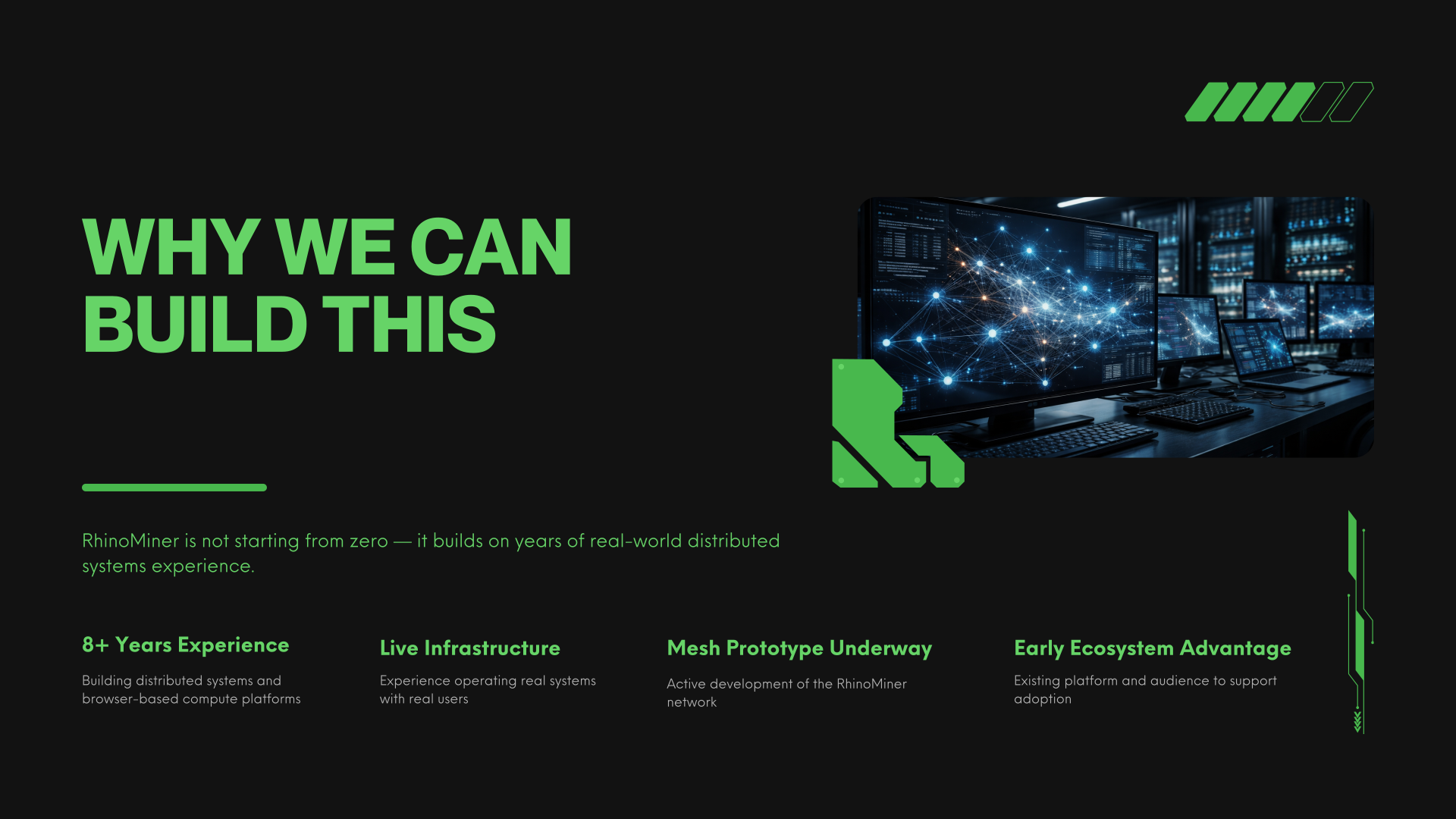
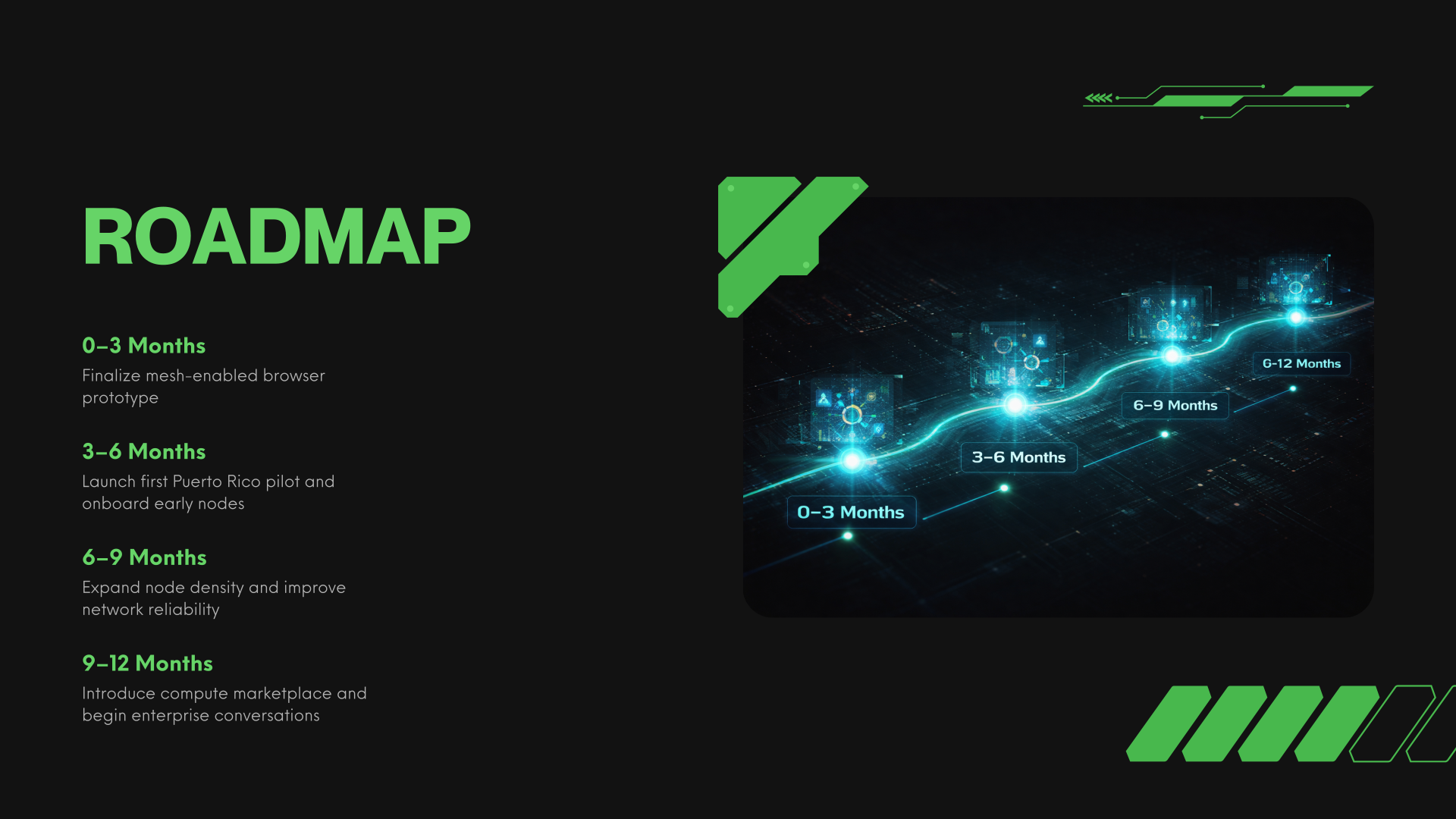
RhinoMiner is still in the building phase, but the direction is clear.
We are working toward a future where infrastructure is more resilient, more distributed, and more community-powered. A future where unused resources can be transformed into meaningful value. A future where technology does not only flow from centralized providers, but can also be supported by the people who rely on it every day.
This is bigger than a product update.
It is a step toward building stronger systems, stronger communities, and a stronger foundation for the future of connectivity and computing.
RhinoMiner is just getting started.